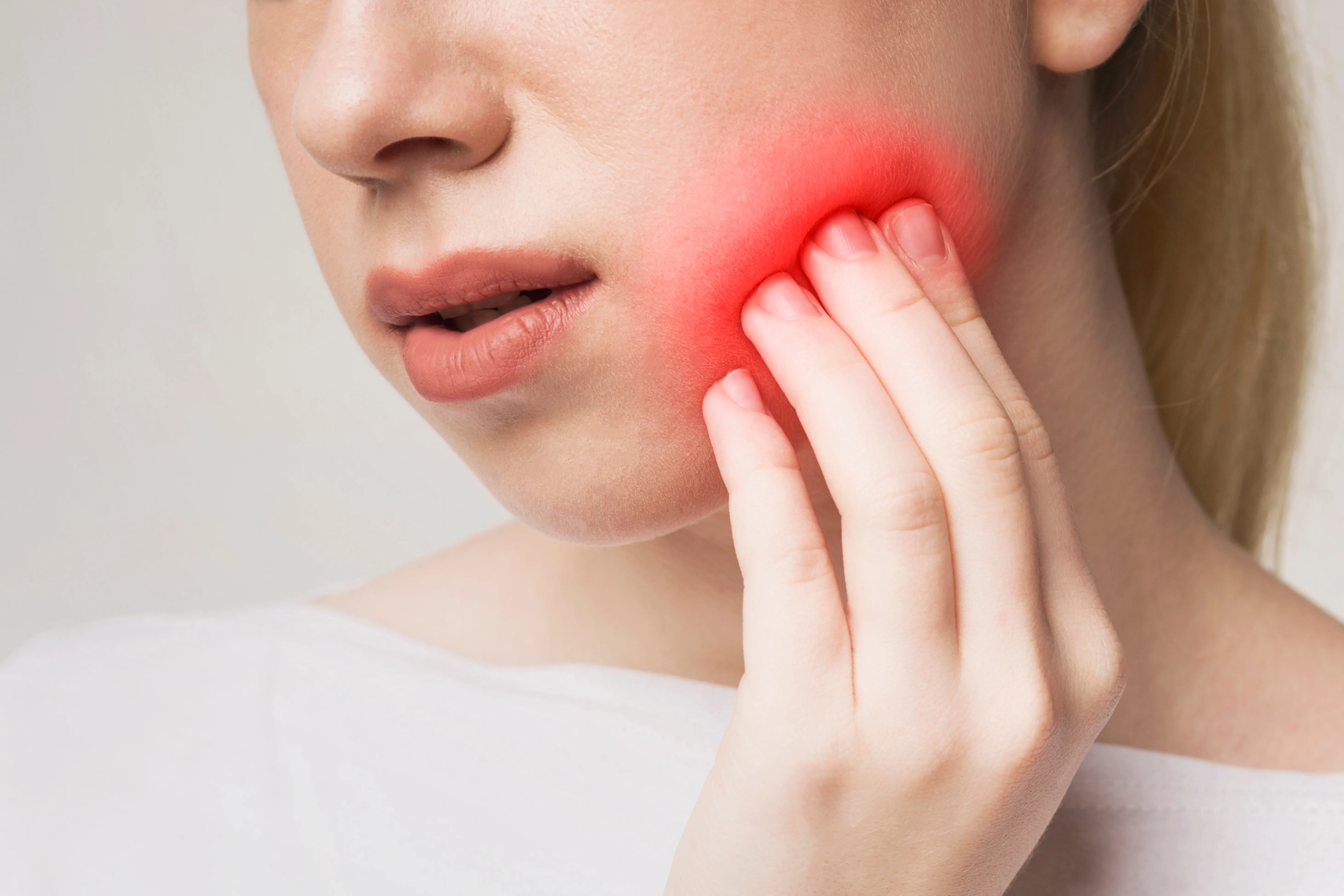
Stress can affect more than your mood, energy, and sleep. It can also affect your teeth, gums, and mouth. From jaw clenching to recurring mouth sores, the connection between stress and oral health may be more noticeable than you think.
Understanding how stress affects your teeth can help you recognize potential problems early and take steps to protect your smile.
Yes, stress and teeth grinding are often connected. Teeth grinding, also called bruxism, happens when you grind or clench your teeth, sometimes without realizing it. It can occur while you're awake or sleeping.
Stress and anxiety can contribute to teeth grinding. Common symptoms include:
Over time, frequent grinding can damage your teeth. Your dentist can check for signs of bruxism and recommend appropriate options, such as a custom night guard.
Stress and jaw pain can go hand in hand. When you're anxious or overwhelmed, you may unknowingly tighten your jaw muscles or clench your teeth.
This tension can contribute to jaw soreness, facial discomfort, and headaches. Some people also experience symptoms associated with temporomandibular disorders (TMD), which affect the jaw joints and surrounding muscles.
Multiple factors can contribute to TMD. If your jaw pain persists, a dental evaluation can help identify possible causes.
Research suggests there's an association between stress and gum disease, although stress isn't necessarily a direct cause.
During stressful periods, you might skip brushing or flossing, eat more sugary foods, or change your usual routines. These habits can affect your gum health.
Watch for symptoms such as red, swollen, tender, or bleeding gums. These can be signs of periodontal disease.
Good oral hygiene and regular dental checkups can help protect your gums.
If you've ever wondered if you're getting lip sores from stress, you're not alone.
Stress can trigger cold sore outbreaks in people who already have the herpes simplex virus (HSV). Cold sores typically appear on or around the lips and are contagious.
Canker sores, on the other hand, develop inside the mouth and aren't contagious. Stress may also contribute to some canker sore outbreaks.
Have persistent, recurring, or unusual sores evaluated by a healthcare professional.
Stress doesn't directly cause cavities, but it can influence behaviors that increase your risk.
For example, when you're stressed, you might neglect your oral hygiene routine, snack more often, or drink more sugary beverages and less water. Dehydration and stress often go hand in hand. Saliva helps protect your teeth, so a dry mouth can also increase your risk of cavities.
Even when life feels overwhelming, small habits can make a difference:
If you're experiencing persistent jaw pain, tooth sensitivity, bleeding gums, or recurring mouth sores, don't ignore it.
At Apple Tree Dental in Rexburg, we're here to help you care for your smile through life's stressful moments. Contact our team to schedule an appointment.

